Un essai polémique qui cible les déficiences engendrées par l'incertitude
économique corrélative à l'art contemporain et dessine en retour les contours d'une nouvelle structure visant l'émancipation de l'artiste vis-à-vis des enjeux financiers et de pouvoir.
Traction argues that contemporary art is defined by a moral economy of indeterminacy that allows curators and artists to imagine themselves on the other side of power. This self-positioning, in turn, leaves us politically bankrupt, intellectually stagnant, and aesthetically predictable. In his memoir-polemic, curator and writer Tirdad Zolghadr candidly reflects on his own experiences and the work of others. He also drafts possibilities for a logic and a support structure that can offer some purchase of their own, beyond the gravitational pull of business as usual. Ultimately, Traction calls for a renewed sense of profession, somewhere within the corridors of power where, for better or worse, contemporary art has long arrived.
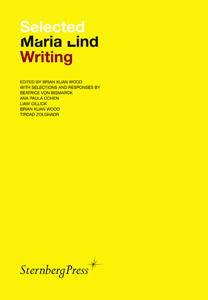
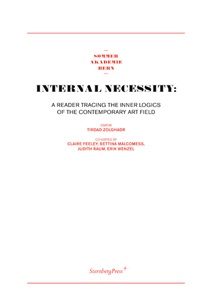
Iranien né peu avant la chute du Shah et exilé à Berlin, Tirdad Zolghadr, membre fondateur du collectif
Shahrzad (avec
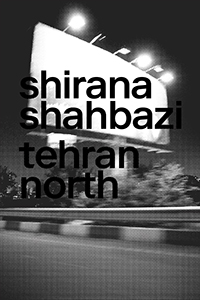
Shirana Shahbazi), est commissaire d'exposition indépendant, critique et écrivain, auteur d'un premier roman traduit en français (
Softcore, Intervalles, 2009) et de nombreux textes parus dans divers catalogues, collaborateur régulier de
frieze et de
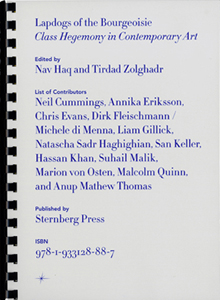
Cabinet. Il a organisé le pavillon des Emirats Arabes Unis de la Biennale de Venise en 2009, ainsi que le projet au long cours
Lapdogs of the Bourgeoisie (avec Nav Haq). Conseiller artistique au Guggenheim Abou Dhabi, Zolghadr enseigne actuellement au Center for Curatorial Studies, Bard College.