An intellectual portrait of
Livio Vacchini, a major figure in 20th-century architecture.
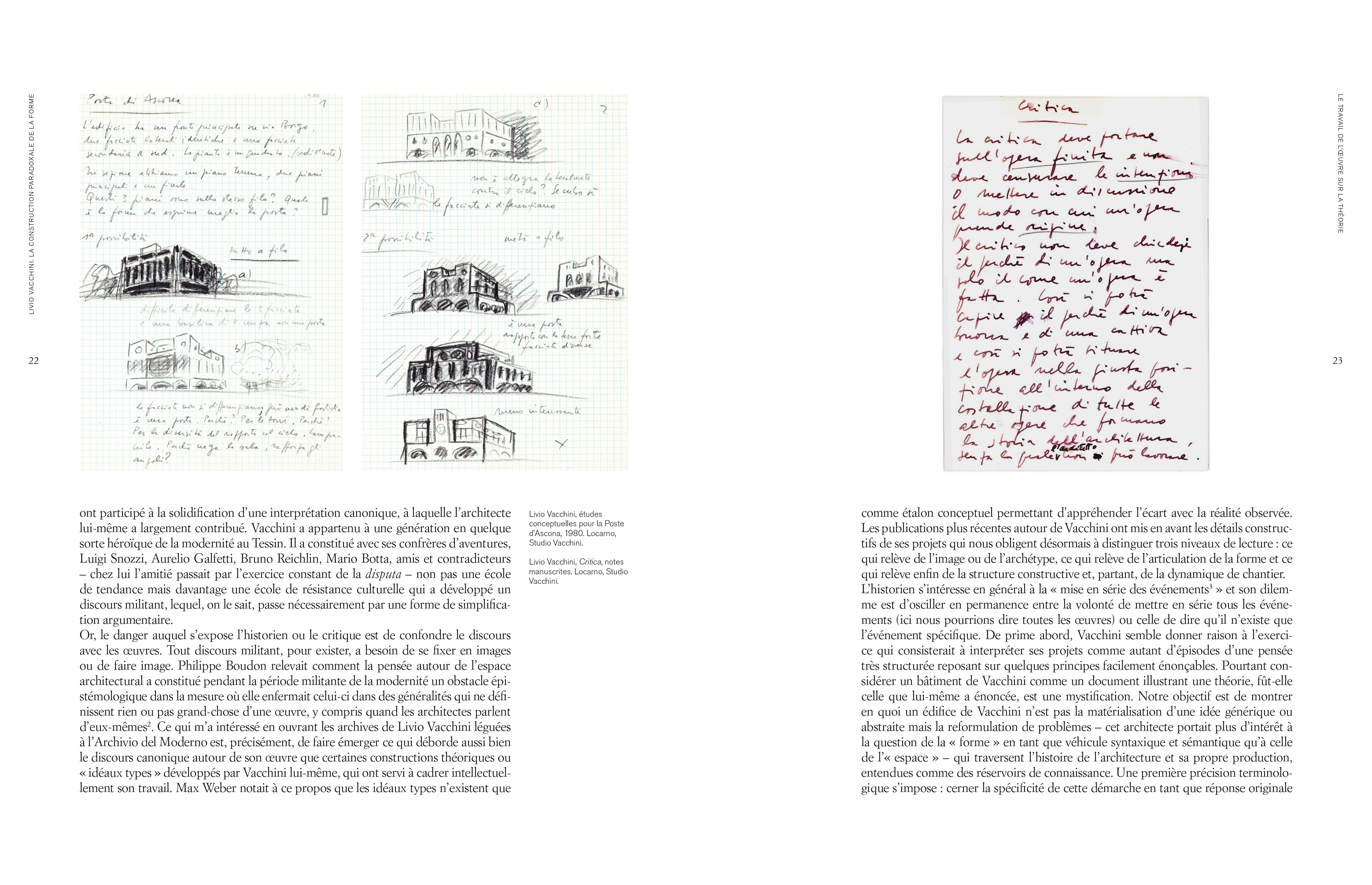
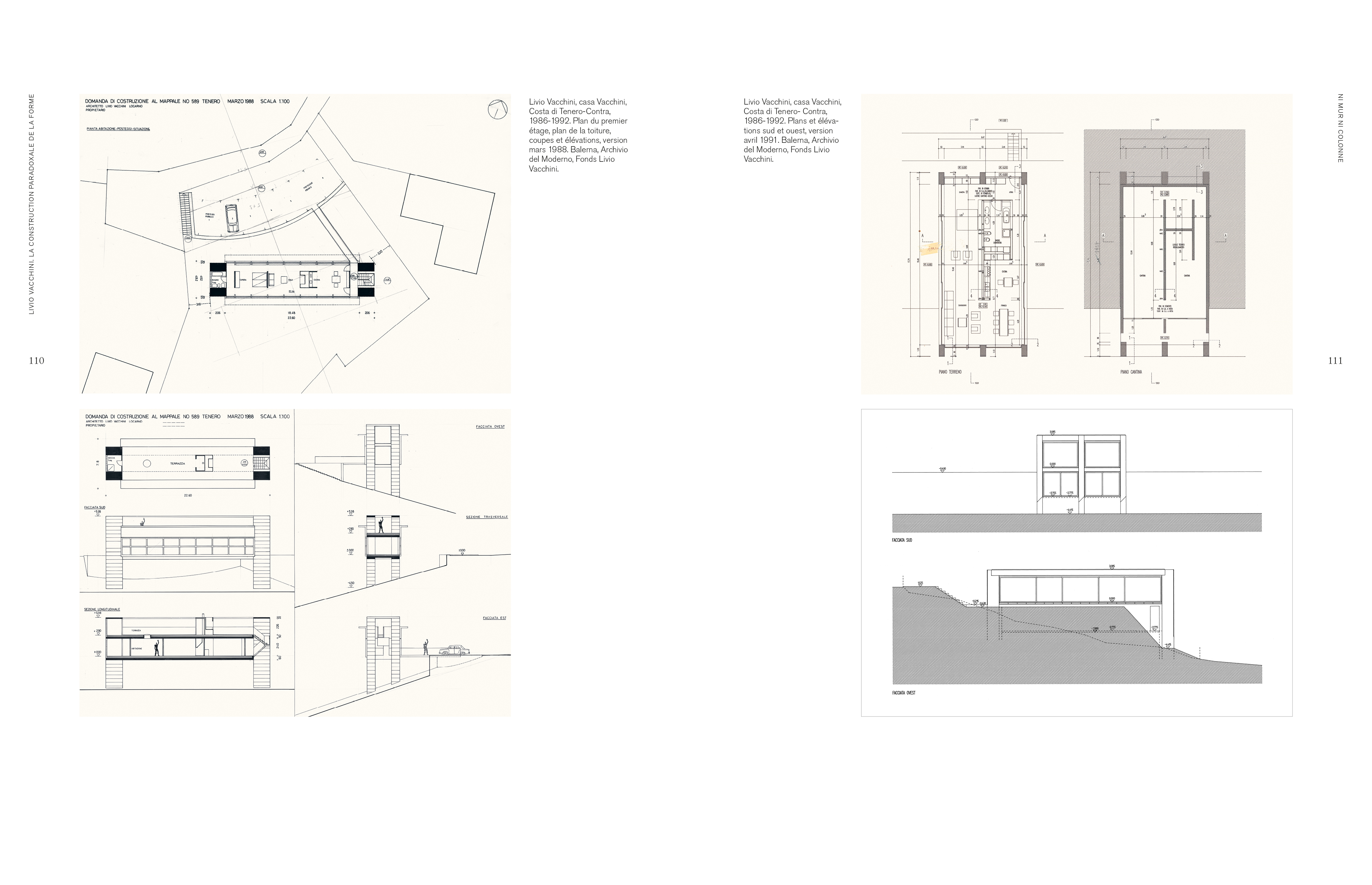
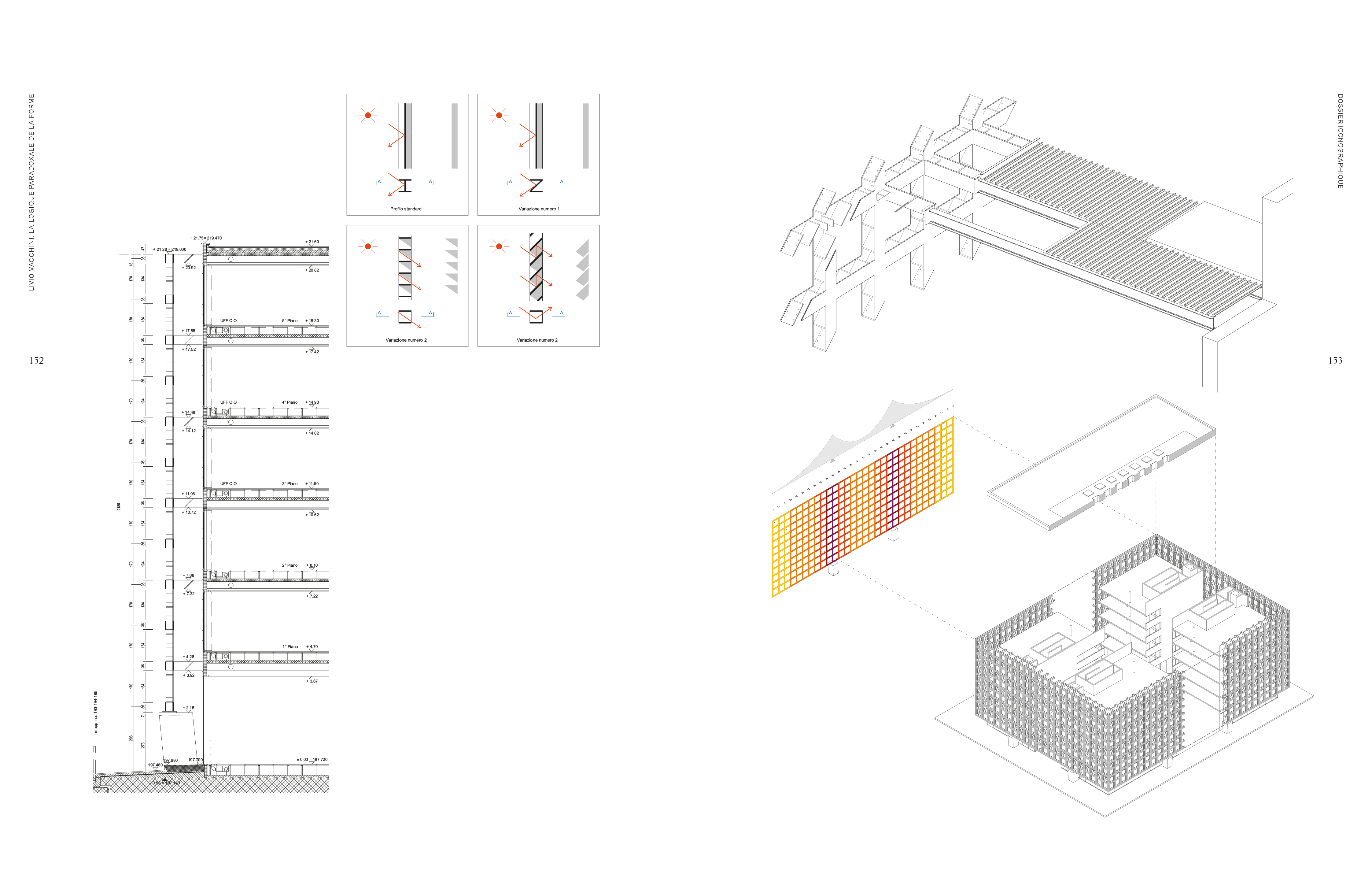
In this essay on Livio Vacchini, Paolo Amaldi revisits the meaning of the Swiss master's work by drawing both upon the genesis of the projects through archival documents and on numerous testimonies from collaborators and colleagues who knew and worked with him. The author outlines an intellectual portrait of a major protagonist of twentieth-century architecture by situating him within the cultural and architectural environment of Ticino from the 1970s onward.
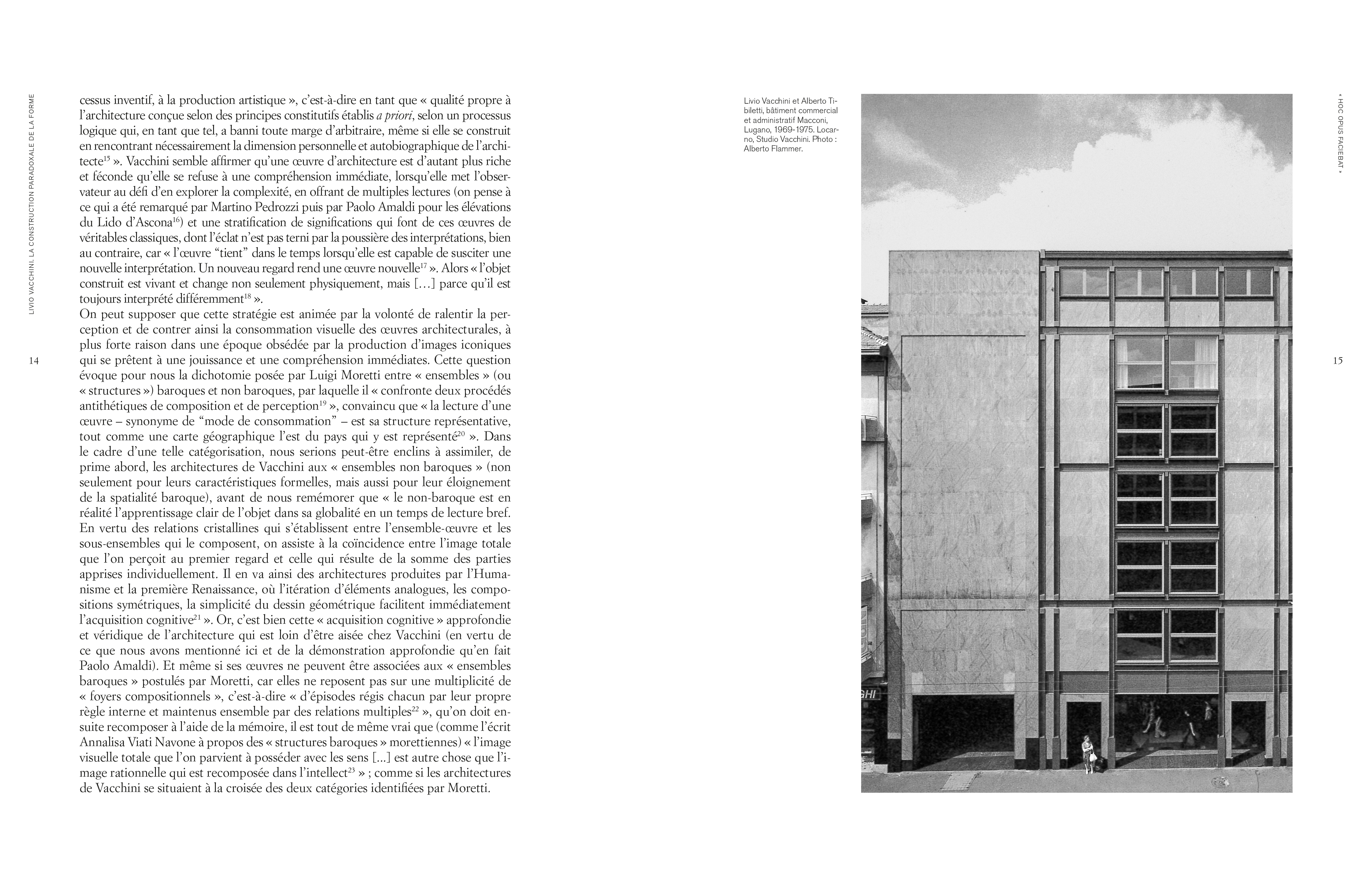
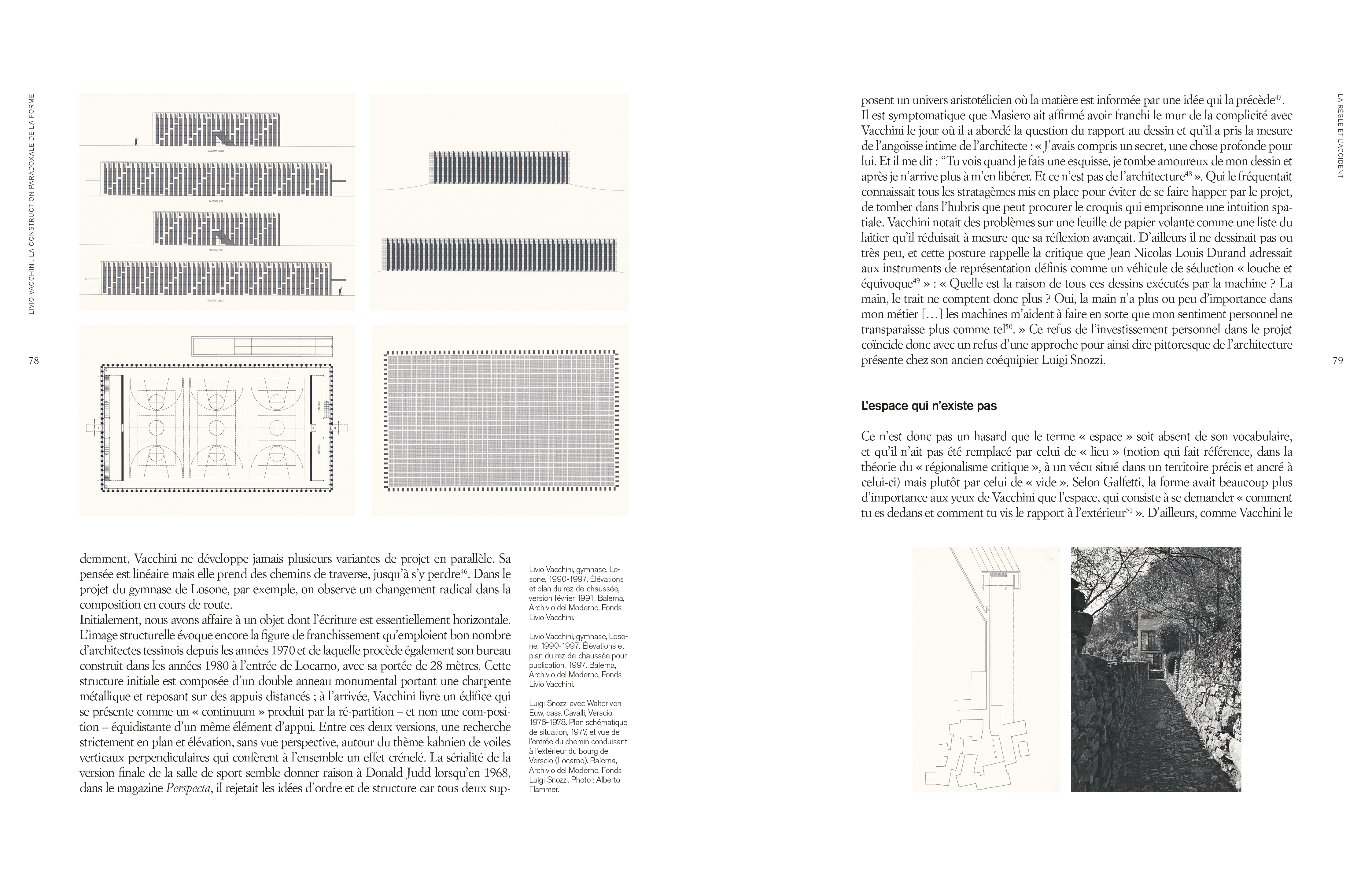
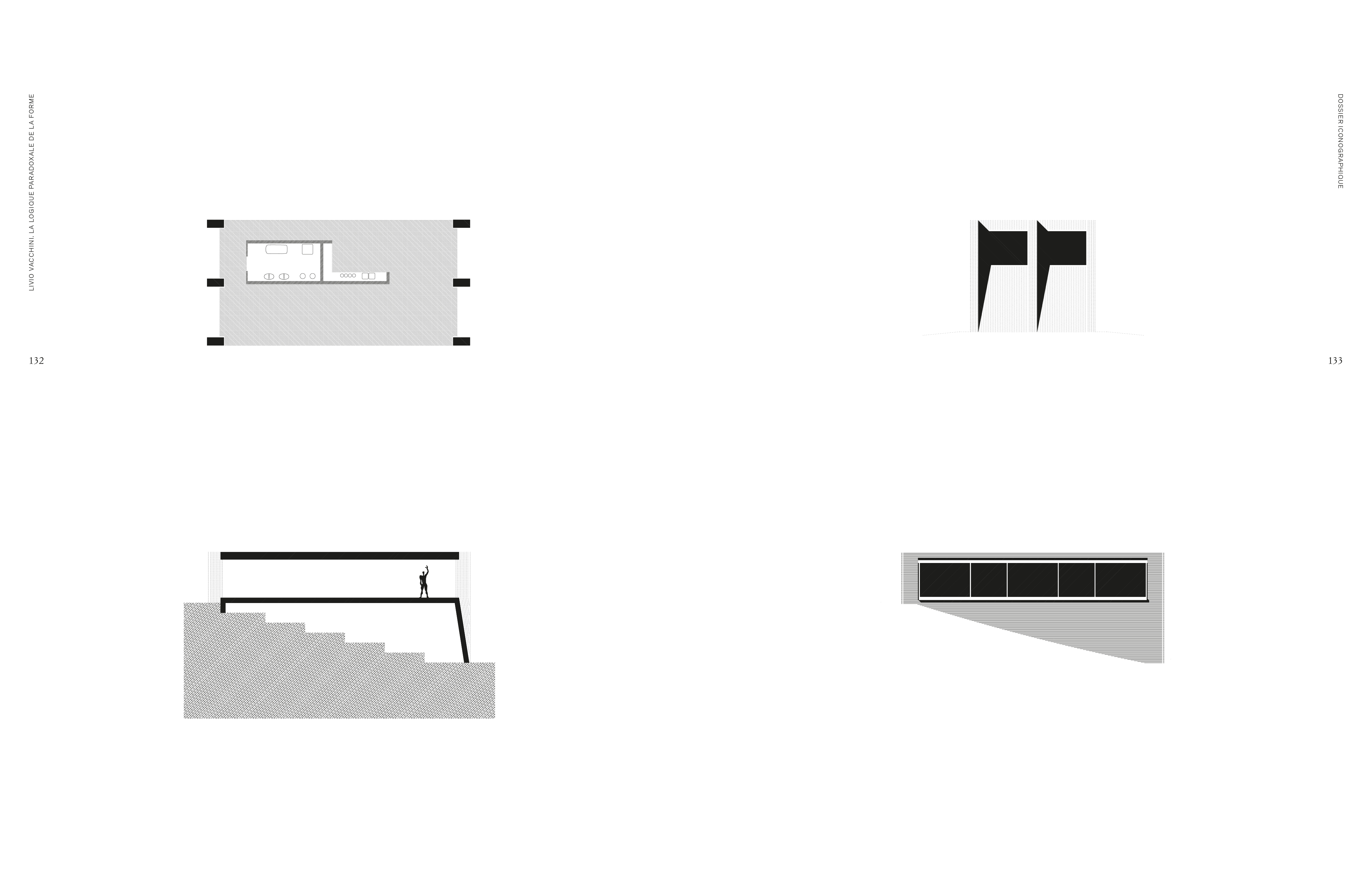
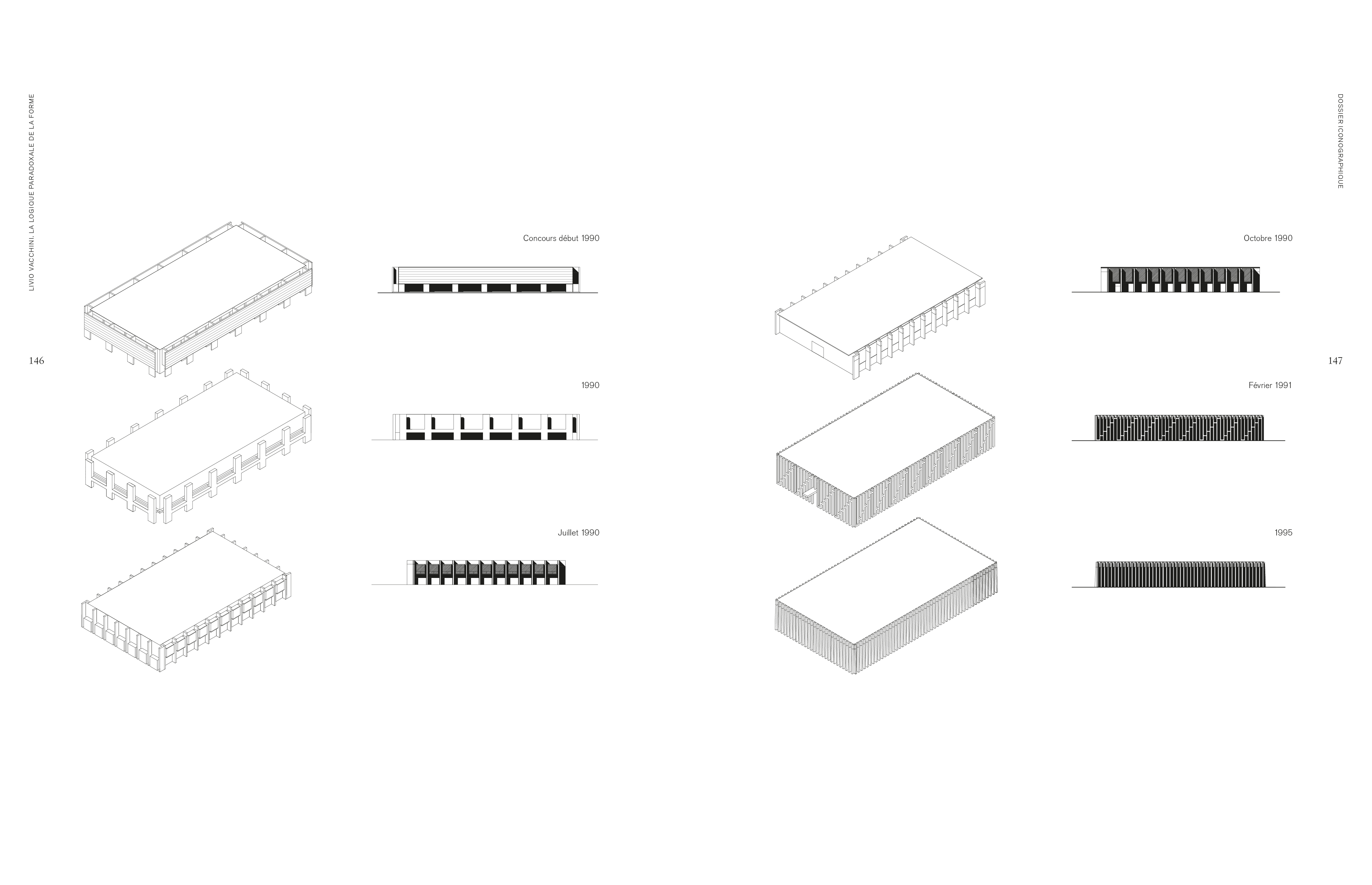
The ambition is to overturn the monolithic image of Vacchini by challenging the idea that his buildings, with their essential and at times schematic appearance, are simply the transcription or translation of clear concepts, or the outcome of coherent constructive logics. On the contrary, throughout these pages Vacchini's buildings emerge as problematic and paradoxical objects whose formal evidence, as it first appears, dissolves as soon as one begins to experience them.
The essay is preceded by a preface by Joseph Abram and an introduction by Nicola Navone.